

July 2026 Newsletter
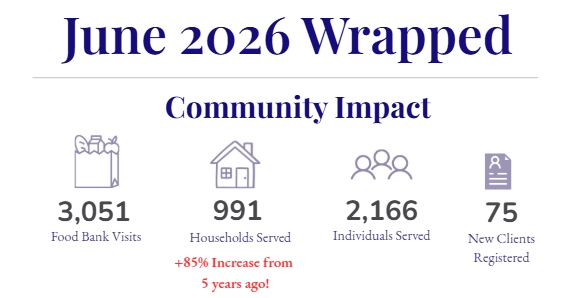
As we wrap up June, we are reminded that behind every number is a neighbour, family, child, or senior relying on support during challenging times. This month, Friends In Need Food Bank provided 3,051 food bank visits and supported 991 households across Maple Ridge and Pitt Meadows, while our Perishable Food Recovery Program rescued 37.5 tonnes of food for our community.
These results reflect the dedication of our staff, volunteers, donors and community partners who make this work possible everyday. While we are proud of the impact made together, the continued growth in demand reminds us that our work is far from over.
Community Support Highlights
Gallery of The Month



Beyond the Food Bank: Why Systemic Change Matters
In Peter Sang's message to the food bank network, Food Banks Canada Board Chair, reminded us that while food banks play a vital role in supporting people through difficult times, the long-term solution to food insecurity lies in systemic change. Over the past year, Food Banks Canada has focused on advocating for policies that address the root causes of poverty. One significant success was the federal government's adoption of automatic tax filing for low-income households, helping missions of Canadians receive benefits and tax credits they are entitled to.
The introduction of Canada Groceries and Essential Benefit is another important step toward helping households afford necessities like food, housing, and childcare. These changes matter because they strengthen communities before families reach a crisis. When people have greater financial stability and access to the supports they qualify for, they are less likely to rely on emergency food assistance.
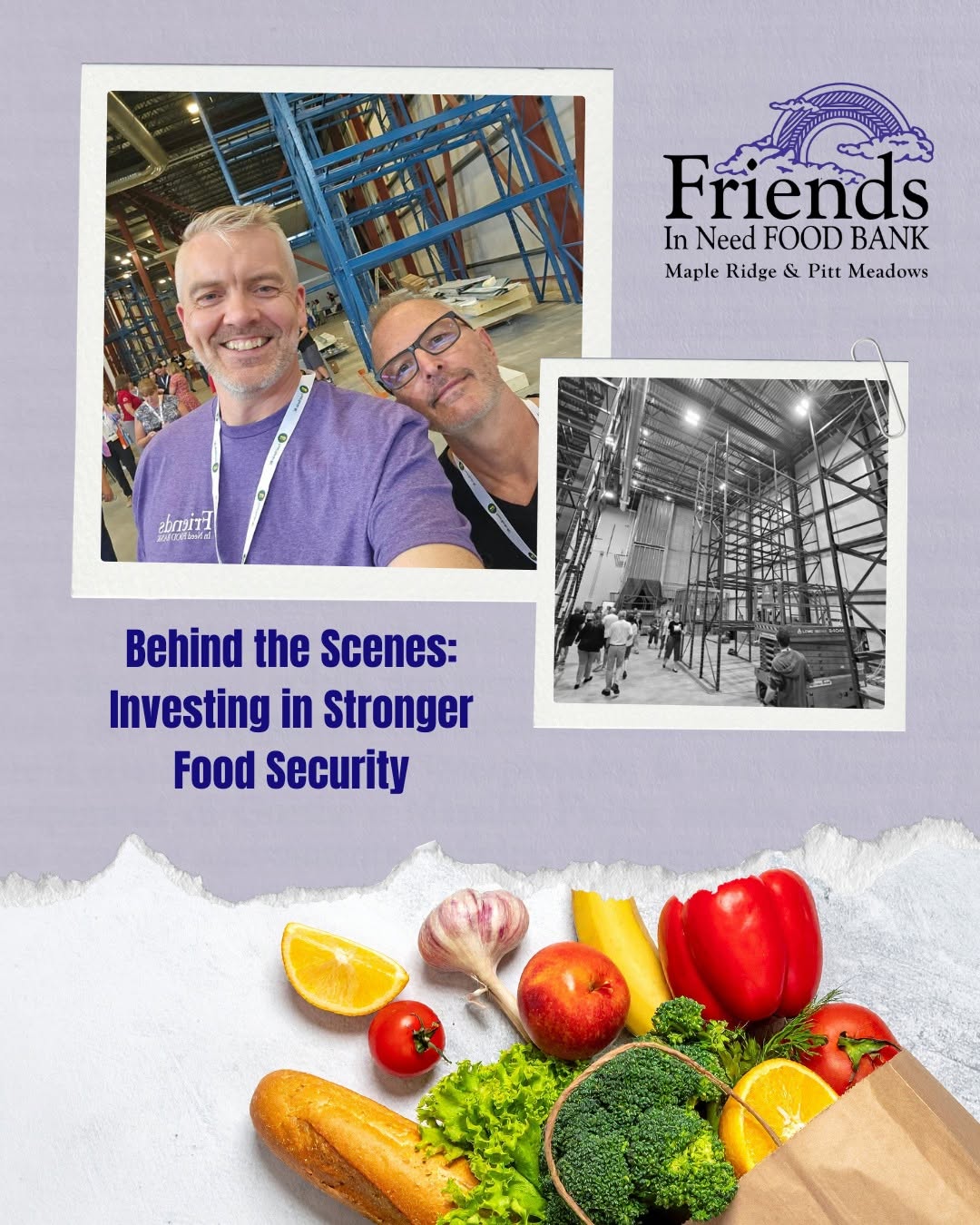
While Friends in Need Food Bank Society remains committed to providing nutritious food with dignity and compassion, we also recognize that building a stronger community means supporting solutions that reduce the need for food banks over time. Community development, collaboration, and advocacy are all essential parts of creating a future where everyone has reliable access to the food they need. As Peter Le reminds us, lasting change happens when communities, organizations, and government work together - not only to respond to hunger, but to prevent it. By strengthening local partnerships and investing in long-term solutions, we can help build a future where no one goes hungry.